
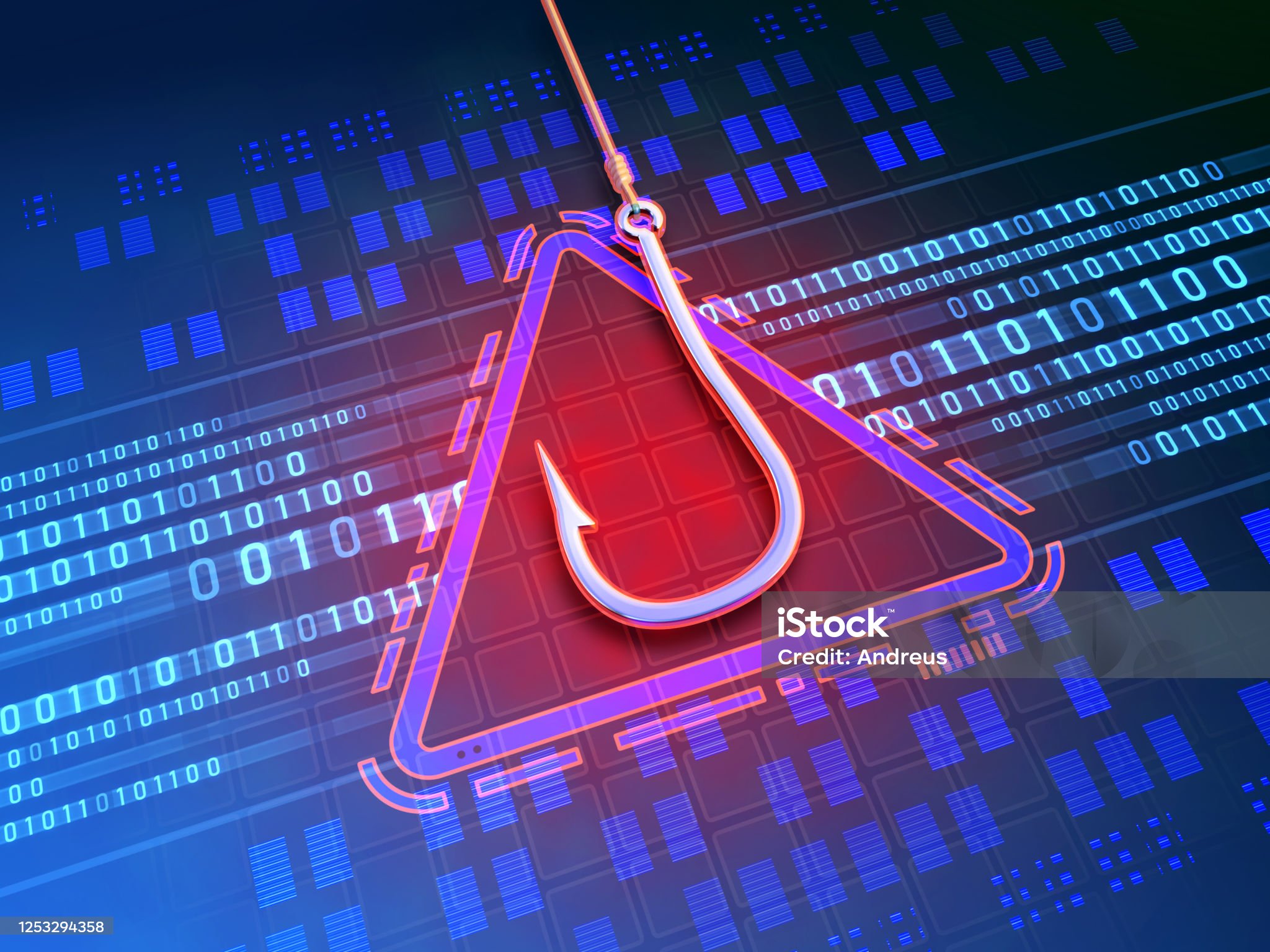
Introduction to Phishing Attacks
Phishing attacks are a prevalent form of cybercrime where attackers impersonate legitimate entities to deceive individuals into revealing sensitive information. These attacks can lead to unauthorized access to personal data, financial loss, and compromised security.
Understanding the mechanisms of phishing attacks is crucial for individuals and organizations to implement effective preventive measures. This guide delves into the various types of phishing attacks, their indicators, and strategies to safeguard against them.
Common Types of Phishing Attacks
- Email Phishing: Fraudulent emails that appear to come from reputable sources, prompting recipients to click malicious links or download attachments.
- Spear Phishing: Targeted attacks aimed at specific individuals or organizations, often using personalized information to appear credible.
- Whaling: A form of spear phishing that targets high-profile individuals like executives or public figures.
- Smishing: Phishing attempts conducted via SMS messages, urging recipients to click on malicious links.
- Vishing: Voice phishing where attackers call victims, posing as legitimate institutions to extract sensitive information.
Indicators of Phishing Attempts
Being able to identify phishing attempts is the first line of defense. Common indicators include:
- Unexpected requests for personal or financial information.
- Generic greetings like "Dear Customer" instead of personalized salutations.
- Urgent or threatening language prompting immediate action.
- Suspicious email addresses or domain names.
- Links that redirect to unfamiliar or misspelled websites.
Preventive Measures Against Phishing
To protect against phishing attacks, consider the following strategies:
- Education and Awareness: Regular training sessions to educate individuals about phishing tactics and how to recognize them.
- Email Filtering: Implement advanced email filters to detect and block phishing emails.
- Multi-Factor Authentication (MFA): Adding an extra layer of security to verify user identities.
- Regular Software Updates: Keeping systems and applications up-to-date to patch vulnerabilities.
- Incident Response Plan: Establishing a clear protocol for responding to suspected phishing incidents.
Conclusion
Phishing attacks continue to evolve, becoming more sophisticated and harder to detect. By staying informed and implementing robust security measures, individuals and organizations can significantly reduce the risk of falling victim to these deceptive tactics.
Stay vigilant, question unexpected communications, and always verify the authenticity of requests for sensitive information.
Post a Comment